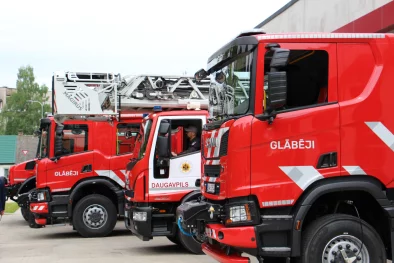
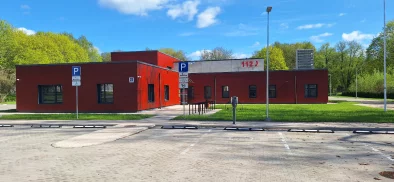
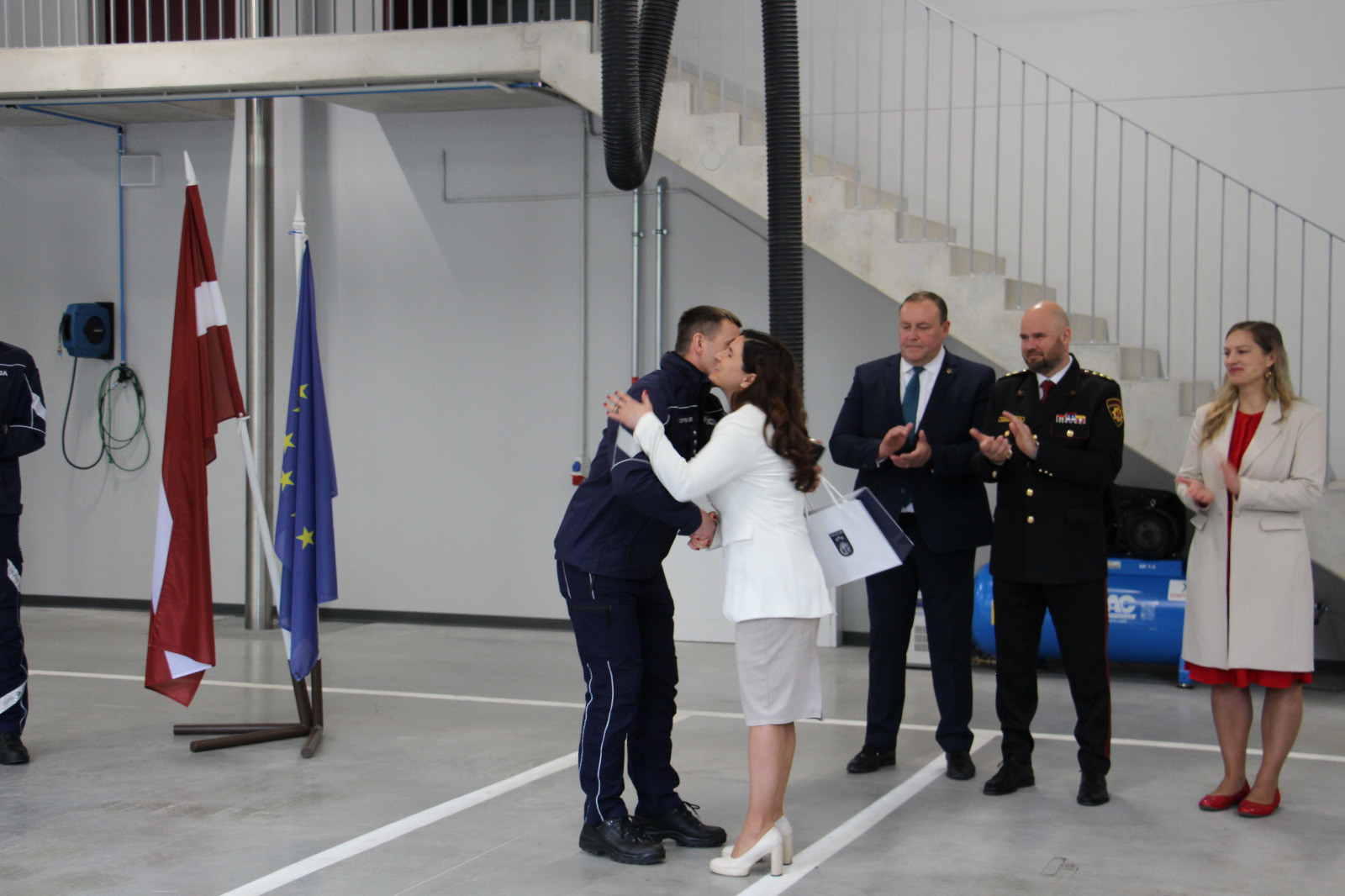
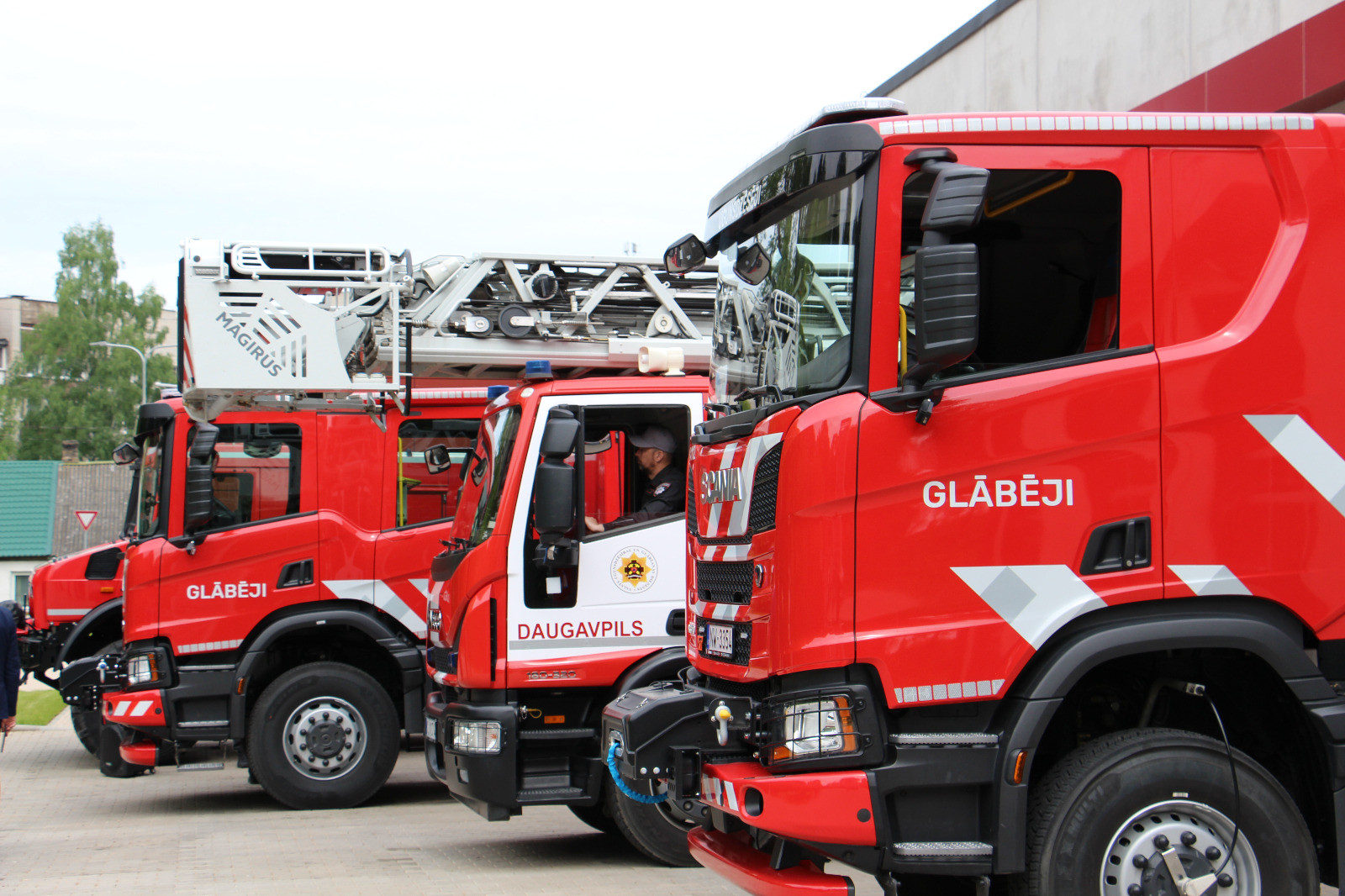
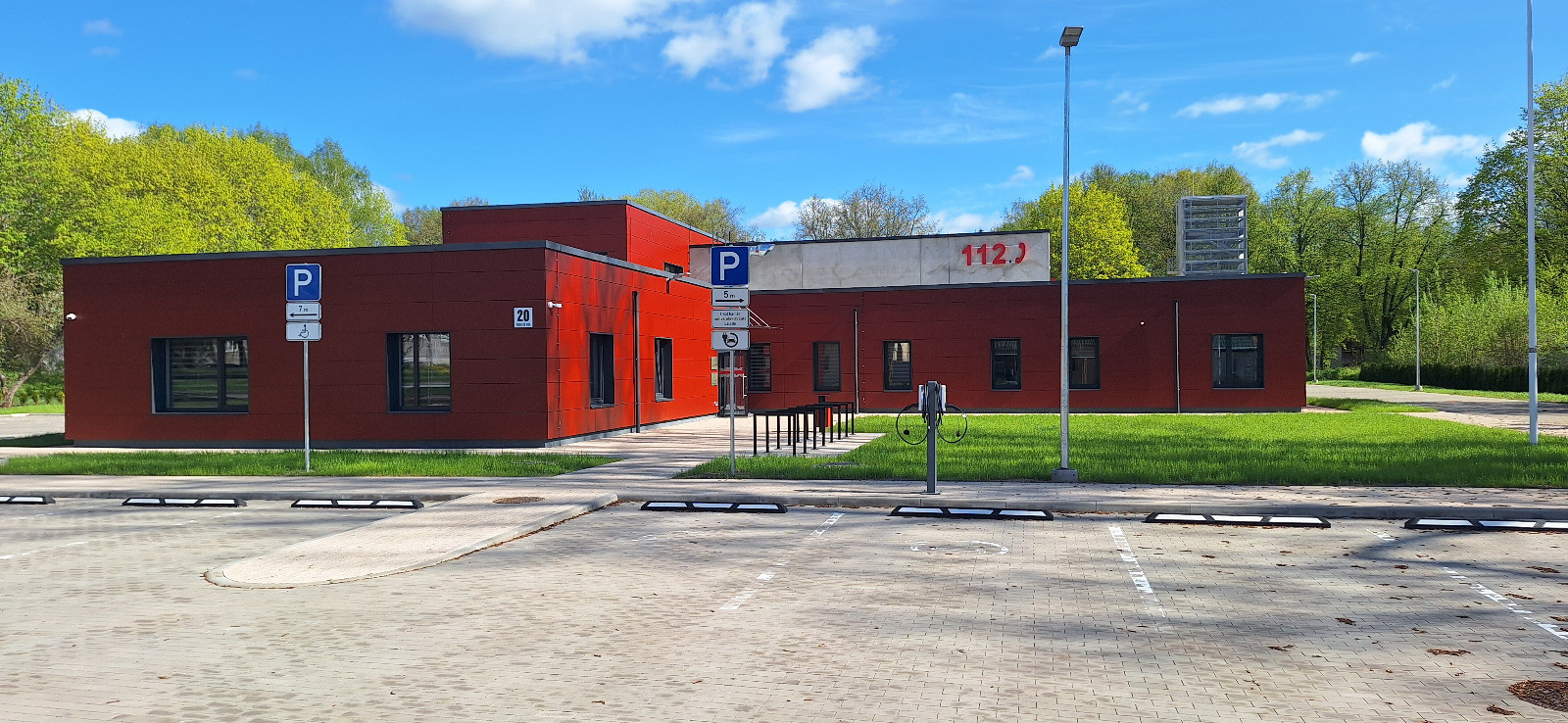
A momentous day in Latgale – a disaster management center has been opened in Daugavpils, with its construction financed by the European Union Recovery Fund, as well as a disaster management center in Dagda, fully funded by the state budget.
These facilities represent a significant step in strengthening the civil protection and public safety infrastructure in the region. The new disaster management centers have been established to ensure a more operative and effective response to emergencies in the Latgale region, as well as to provide high-quality services to the public, thus bolstering the capacity of the internal security system.
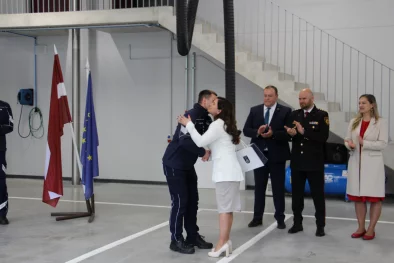
The opening event in Daugavpils was attended by Minister of Interior Rihards Kozlovskis, Economic Advisor of the European Commission Representation in Latvia Signe Groza, Director of the State Provision Agency Ramona Innusa, as well as heads of institutions and employees who will commence their work in this building.
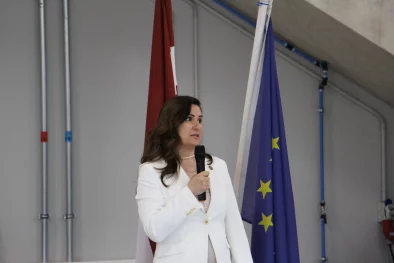
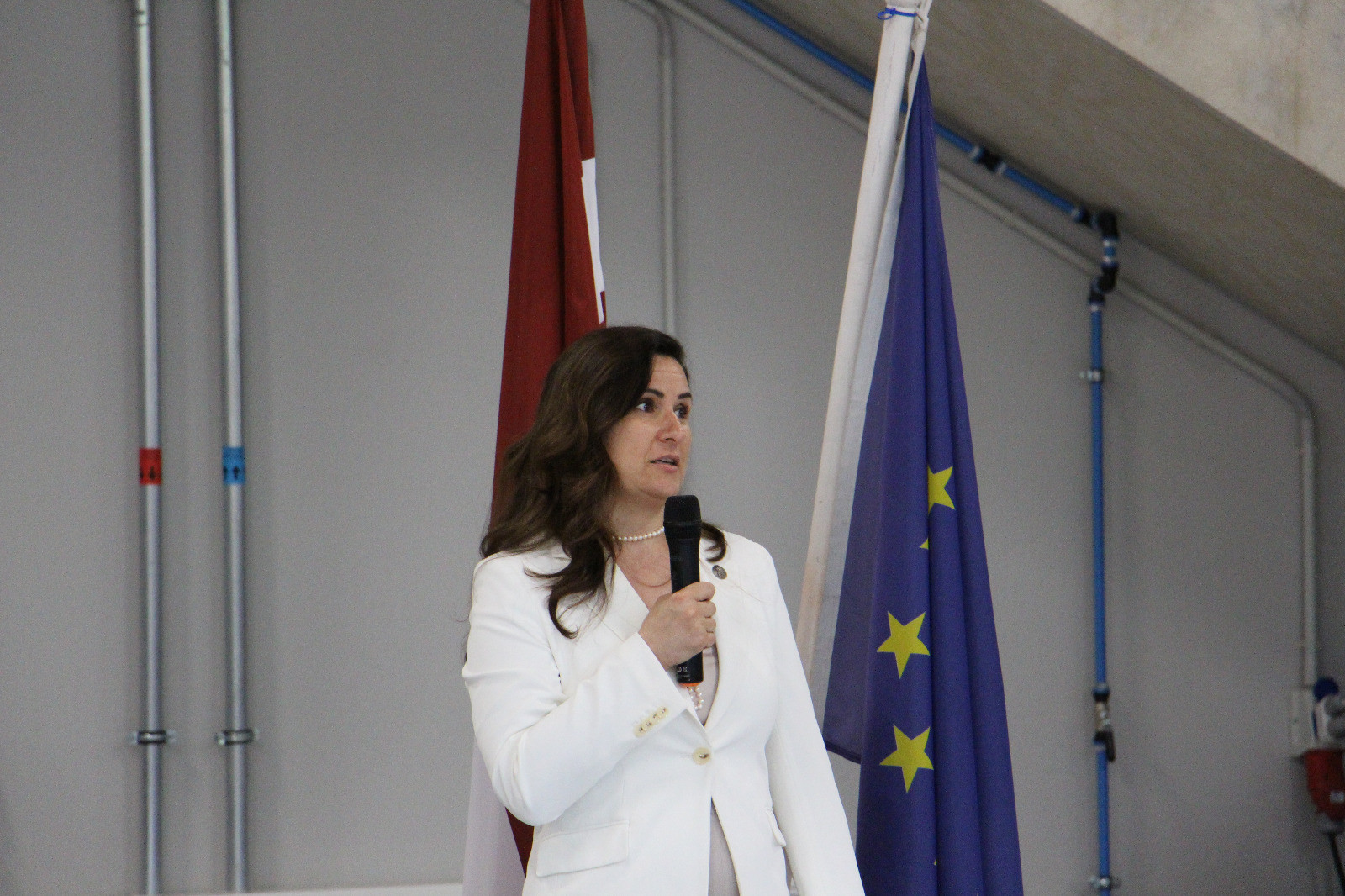
“Today, it's an emotional feeling, as this is a graduation moment for one of our 'children'. We fought for these disaster management centers since 2019 in various formats – with visual images, with visits to the old State Fire and Rescue Service facilities where firefighters work, and police precincts where state police officers work. In 2019, few people, even in the government, believed that we would secure this funding from the European Commission. Until then, the Ministry of Interior had not been a beneficiary of funding from the European Regional Development Fund Cohesion Policy financial instruments, and the Recovery Fund was something completely new at that time. For the first time, in these financial instruments, the European Commission defined the priority of organizing the disaster management system in Europe, understood us, and were the first to believe in us. We are part of the Disaster Management System – firefighters, police officers, border guards, and other internal affairs service employees, along with the Emergency Medical Service, all are responding personnel in the disaster management system. Currently, it's gratifying to see that the Ministry of Interior, like a phoenix from the ashes, is beginning to regain its prestige and its visual appearance, as it should be. Workplaces should look like this, and the equipment used by rescuers, police officers, and border guards must be modern and up-to-date to provide the best possible support to our society. Thank you to my colleagues at the State Provision Agency for all the complexities overcome, for all the solutions found. Special thanks to the builder for the high-quality, fast work in constructing this disaster management center. Services, enjoy these working conditions, respect and cherish this environment, so that new reinforcements eager to work join you, because this is the kind of workplace where young people will most likely want to work. May we succeed together, and may there be fewer incidents to respond to!” said Ramona Innusa, Director of the State Provision Agency, in her address.
Signe Groza, Economic Advisor of the European Commission Representation in Latvia, addressed those present, congratulating them on the excellent result: "We are pleased with the successful and swift construction of the Daugavpils disaster management center, which was financed by the European Union Recovery Fund. These investments affirm the European Union's strong commitment to support the Latgale region, strengthening both its security and its ability to effectively respond in crisis situations."
The opening of the Dagda disaster management center was also filled with joy, especially because, thanks to a change of builder, the facility was finally completed. Ramona Innusa also expressed gratitude to the agency's employees for their quick and high-quality response to the situation in her address: “The construction of this facility was fraught with difficulties – it was affected by the consequences of the war in Ukraine, the Covid crisis, and the builder proved to be unreliable. The last time we met with the previous builder in the premises of this unfinished facility a year ago, we argued about how little was left, literally just 'crossing the tail' to finish it by last year's Midsummer, but the builder did not fulfill their promises. Therefore, a huge thank you to the entire team of the State Provision Agency who were involved daily at a micro-management level, thought creatively and broadly, analyzed the entire spectrum of the Public Procurement Law to enable us to quickly find a new builder and complete this building at a fast pace within our available funding! May you have a good feeling here, may new motivated reinforcements join you, thank you for your daily work!”
Currently, 32 Disaster Management Centers are in various stages of implementation in Latvia – 11 are completed, active construction is underway in seven more, and the rest are in the design and contracting phase.
Funding synergy: strength in a common goal
These events in Latgale vividly demonstrate the critical importance of funding synergy. Funding synergy means combining and coordinating the use of various funding sources, such as European Union funds and national budget funds, to achieve better and more sustainable results.
Why is funding synergy so important?
Greater scope and impact: by combining resources, it's possible to realize more ambitious projects that would otherwise not be feasible. The case of Daugavpils and Dagda perfectly illustrates this – with the support of the European Union Recovery Fund and the state budget, two centers have been established that will jointly ensure a more effective response in crisis situations.
Optimized resource utilization: synergy helps avoid duplication and ensures that every invested euro is used as efficiently as possible. This is particularly crucial when resources are limited.
Long-term sustainability: attracting diverse funding sources can help ensure the long-term sustainability and maintenance of projects even after the initial investment.
Stronger cooperation: funding synergy fosters cooperation between different levels – state institutions, municipalities, and international organizations. Such collaboration is essential for effectively addressing complex problems, such as natural disasters caused by climate change.
A safer Europe: in the case of disaster management centers, funding synergy directly contributes to the overall security of Europe. Stronger infrastructure and better preparedness to respond to crises in one Member State strengthen the resilience of all of Europe against disasters.
The example of Latgale, where the Daugavpils center was established with funds from the European Union Recovery Fund and the Dagda center was fully financed by the state budget, is clear proof that the coordinated use of various levels of funding creates significant added value. This strengthens the capacity of the state and regions to respond to emergencies, making our society safer.