Accessibility is often perceived as a technical matter – ramps, doors, handrails, lifts, heights and slopes. Yet for people, it means much more: the opportunity to overcome isolation, to be part of society, and to shape their own daily lives.
In Liepāja, improvements to environmental accessibility at the Social Service Day Care Centre for persons with intellectual disabilities at 16/20 Teodora Breikša Street go far beyond compliance with building standards – they are a precondition for people to feel a sense of belonging and to learn to live more independently.
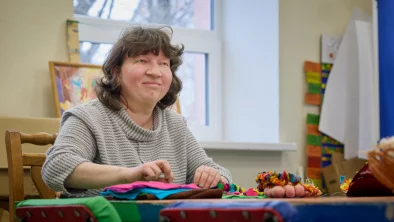
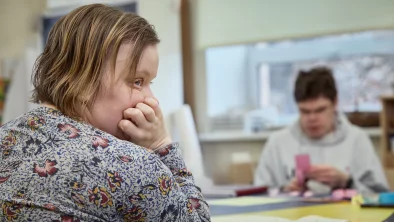
A place where self-confidence grows
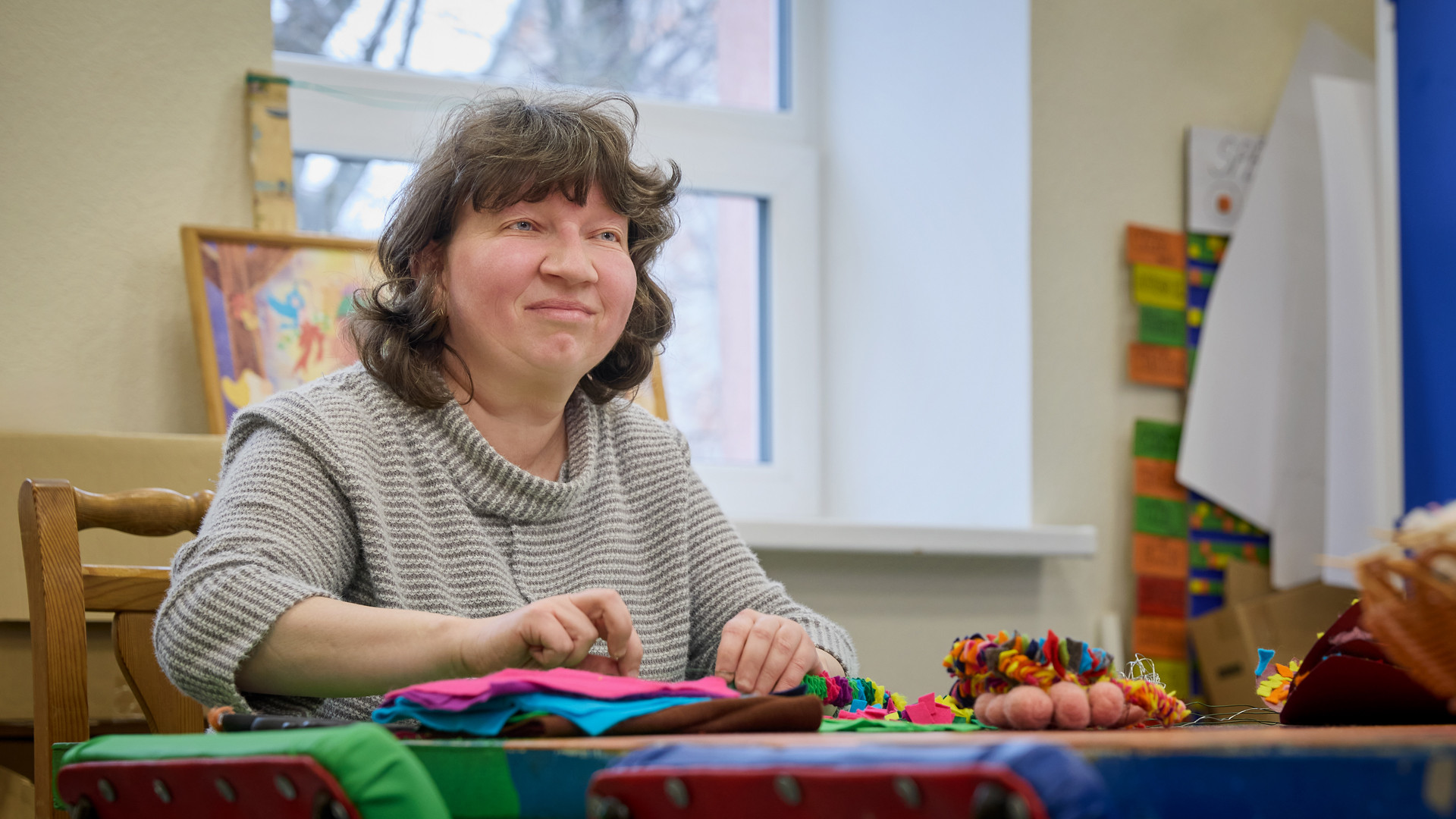
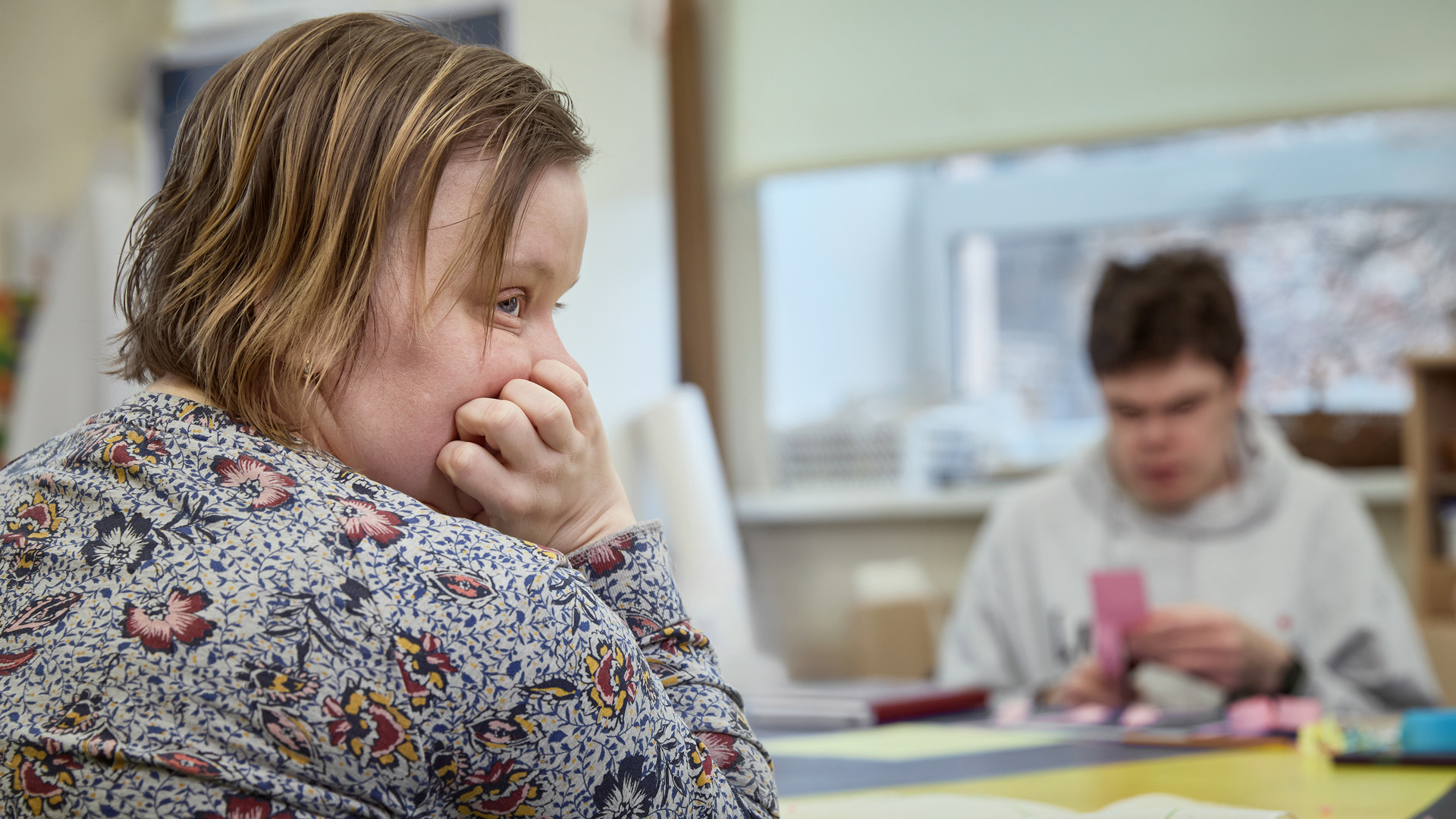
“At first, we didn’t know what this place would be like, but day by day my son started to like it more and more,” says the mother of a centre visitor, Deivids.
“My son Oskars has been attending the day centre for five years. As soon as he started coming here, he truly blossomed,” shares Oskars’ mother.
“The very first thing I want to say is that we were welcomed here like at home,” add Agija’s parents. “Now Agija feels a sense of responsibility – she goes to her ‘work’, she feels grown-up and capable, and when she comes home, she proudly shows and tells us everything she has done. All we can do is be grateful and thank the people who have created such a place.”
Everyday barriers others may not notice
People with intellectual disabilities may also have functional impairments – related to mobility, vision or hearing. This means that even seemingly minor environmental elements can become serious or even insurmountable barriers.
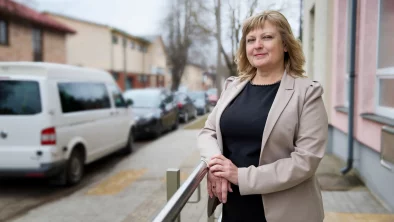
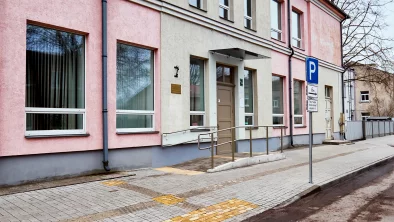
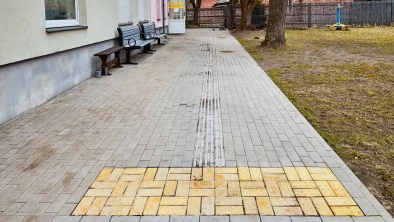
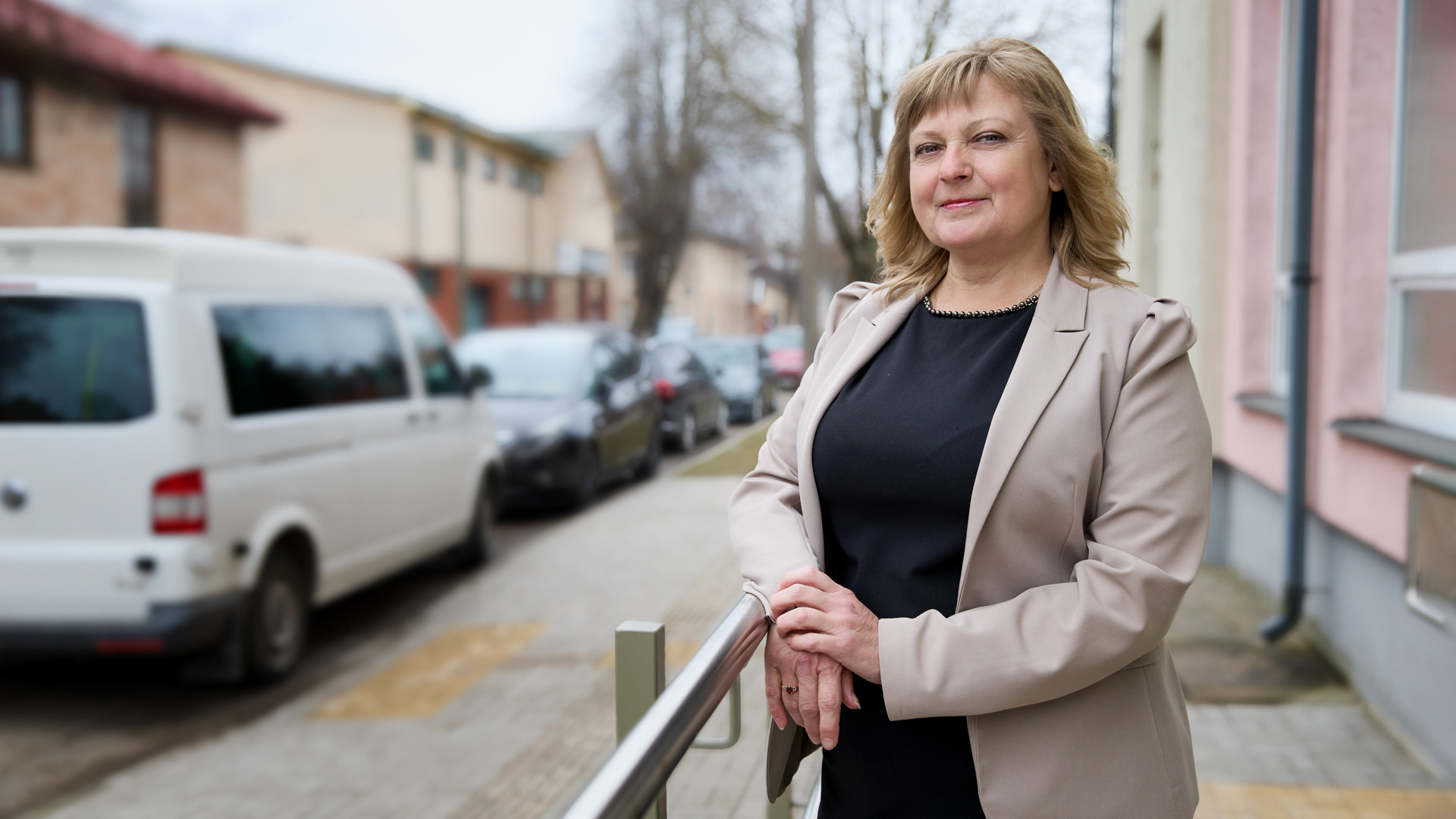
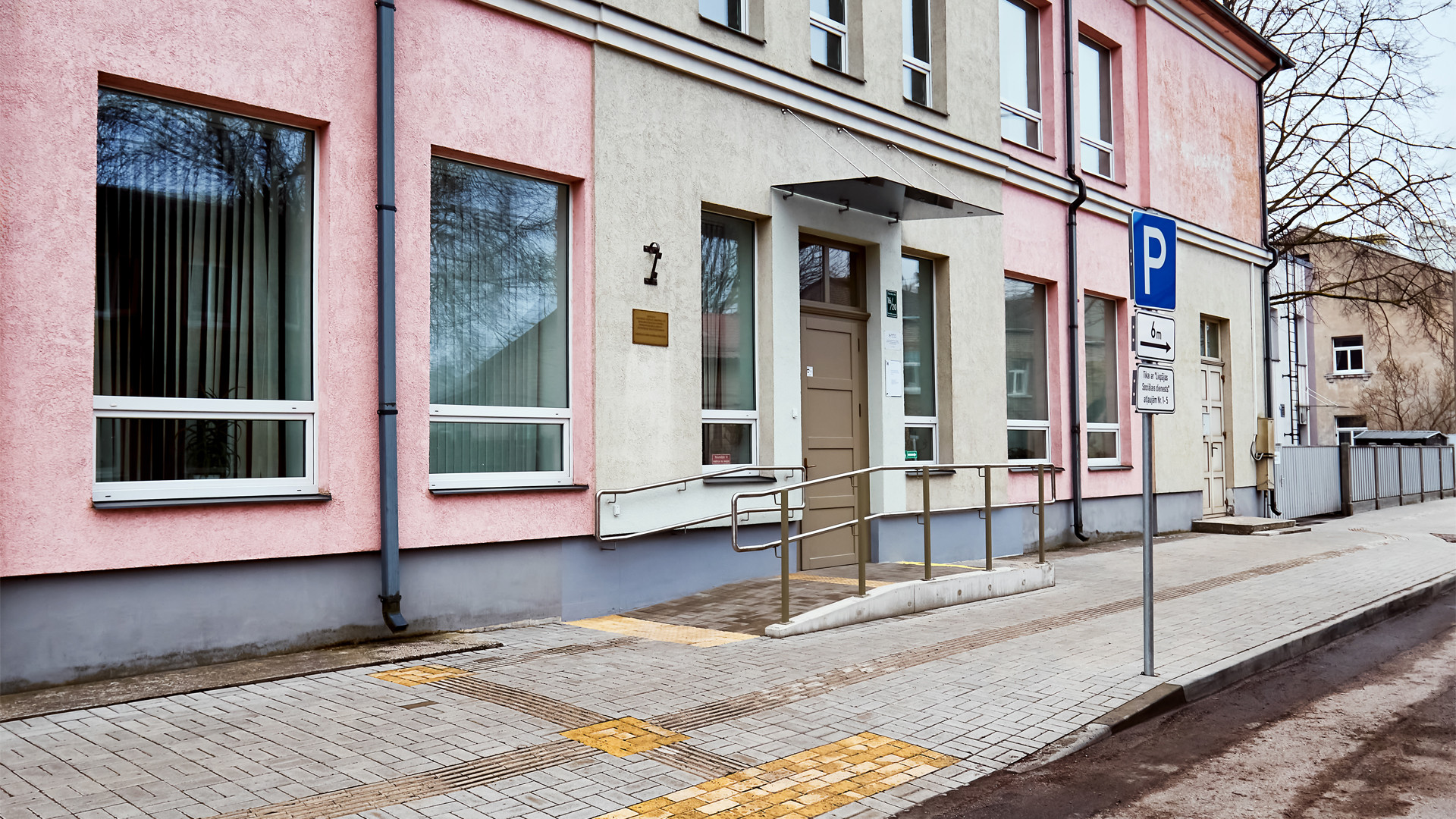
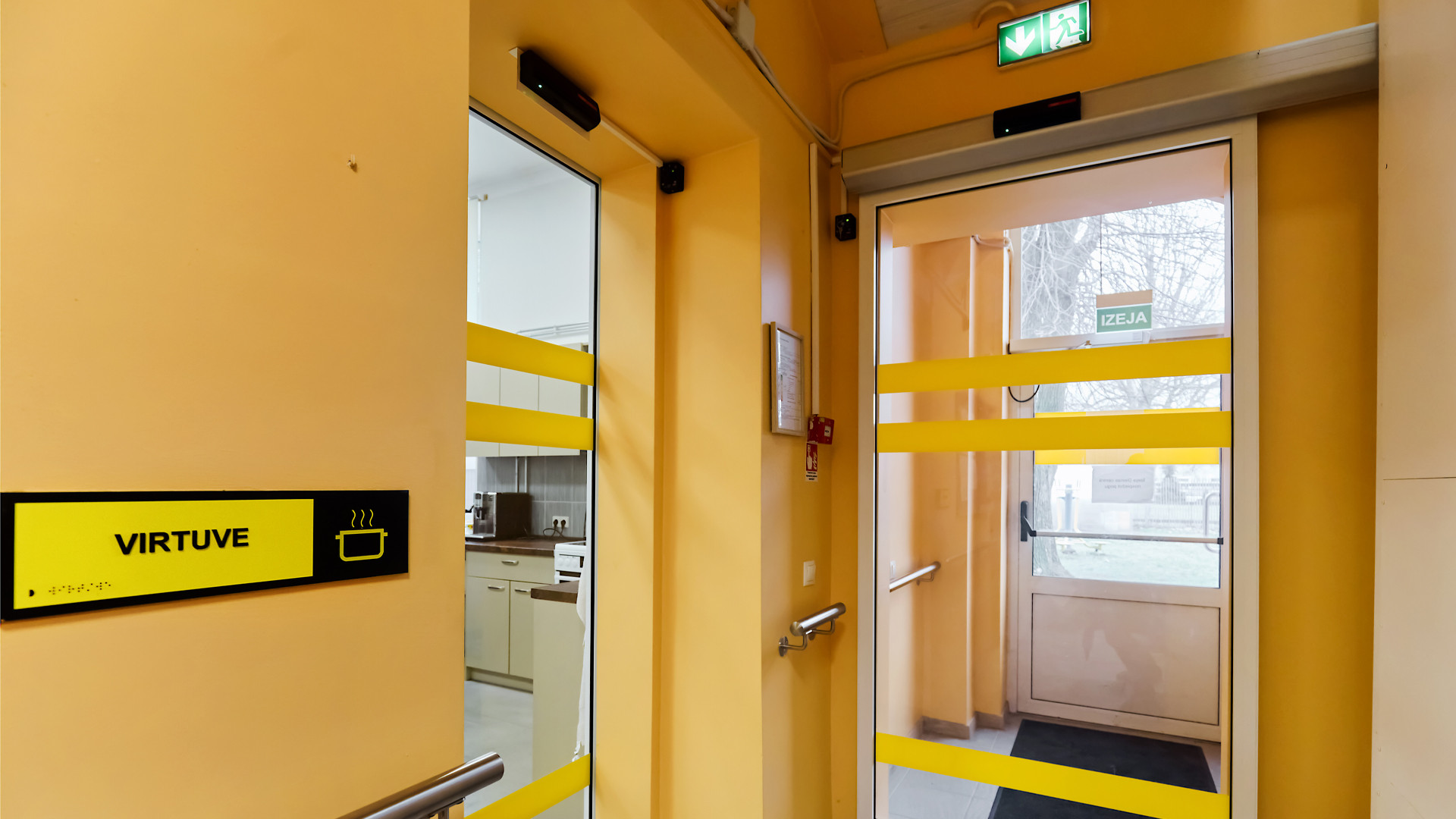
“Just a few years ago, for example, it would have been very difficult to enter the building in a wheelchair,” explains the head of the centre, Maija Agatina. “And for people with visual impairments, tactile signage is essential to help them understand where they are,” she adds.
Accessibility that enables independence
To reduce these barriers, significant improvements have been made to the centre’s accessibility.
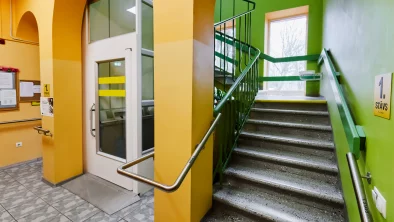
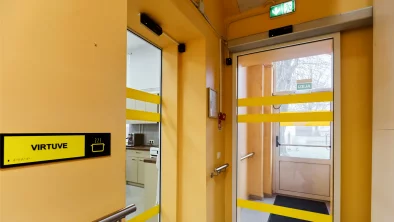
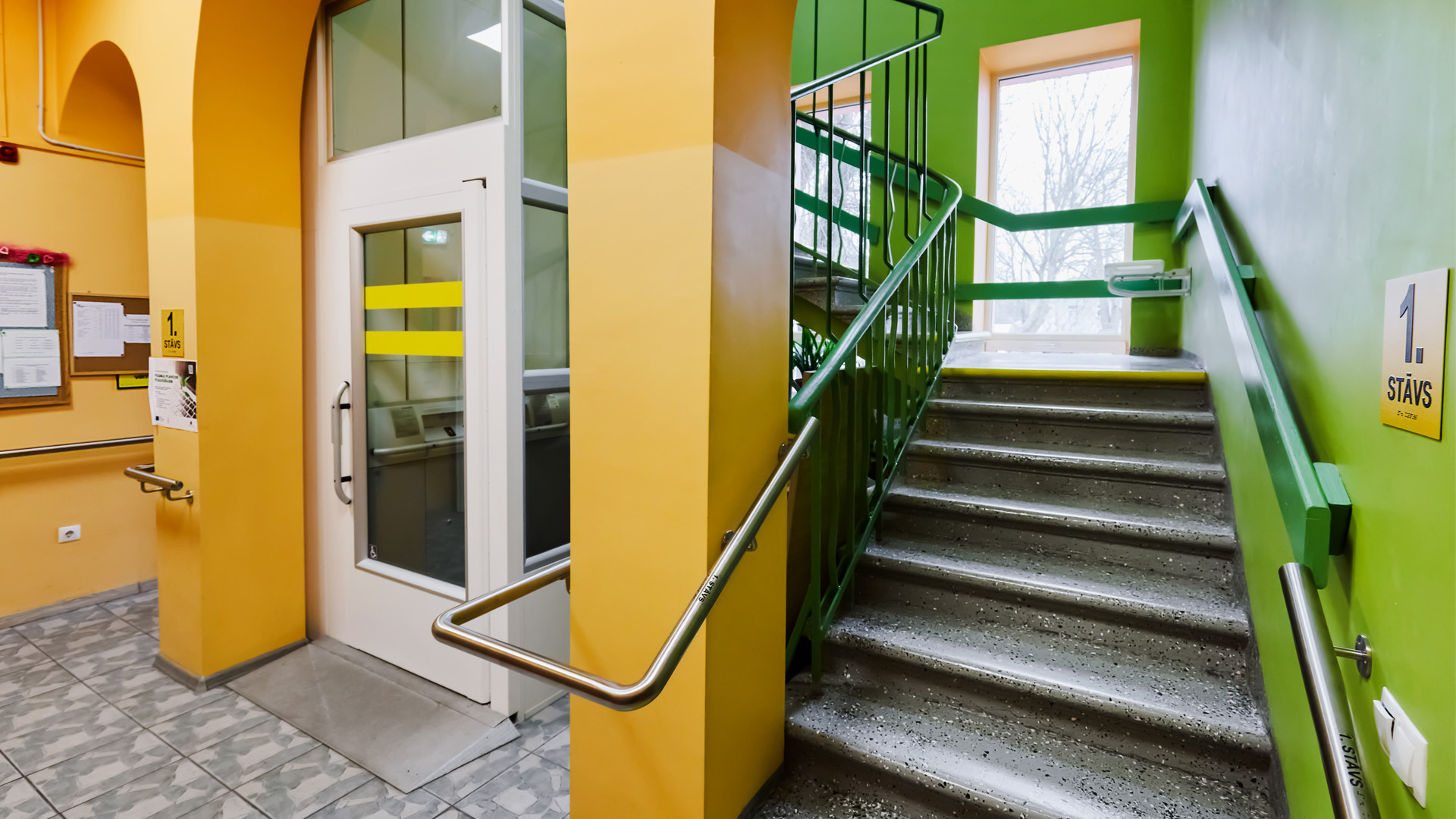
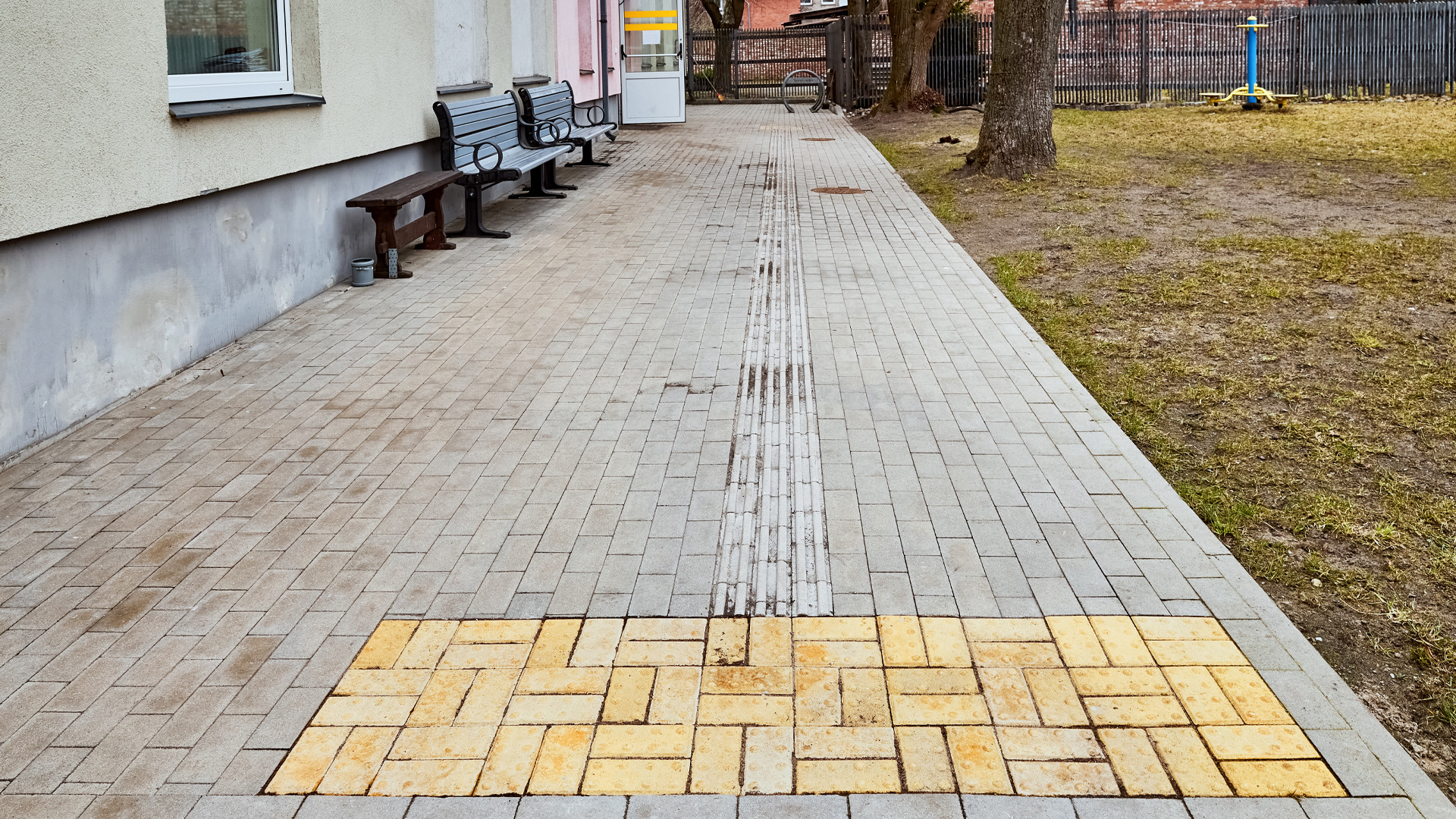
With co-financing from the European Union’s Recovery and Resilience Facility, a gently sloped ramp has been built at the main entrance, the courtyard has been paved, several new and much more convenient automatic doors have been installed, and additional handrails have been added for support when needed.
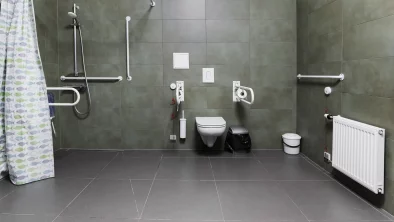
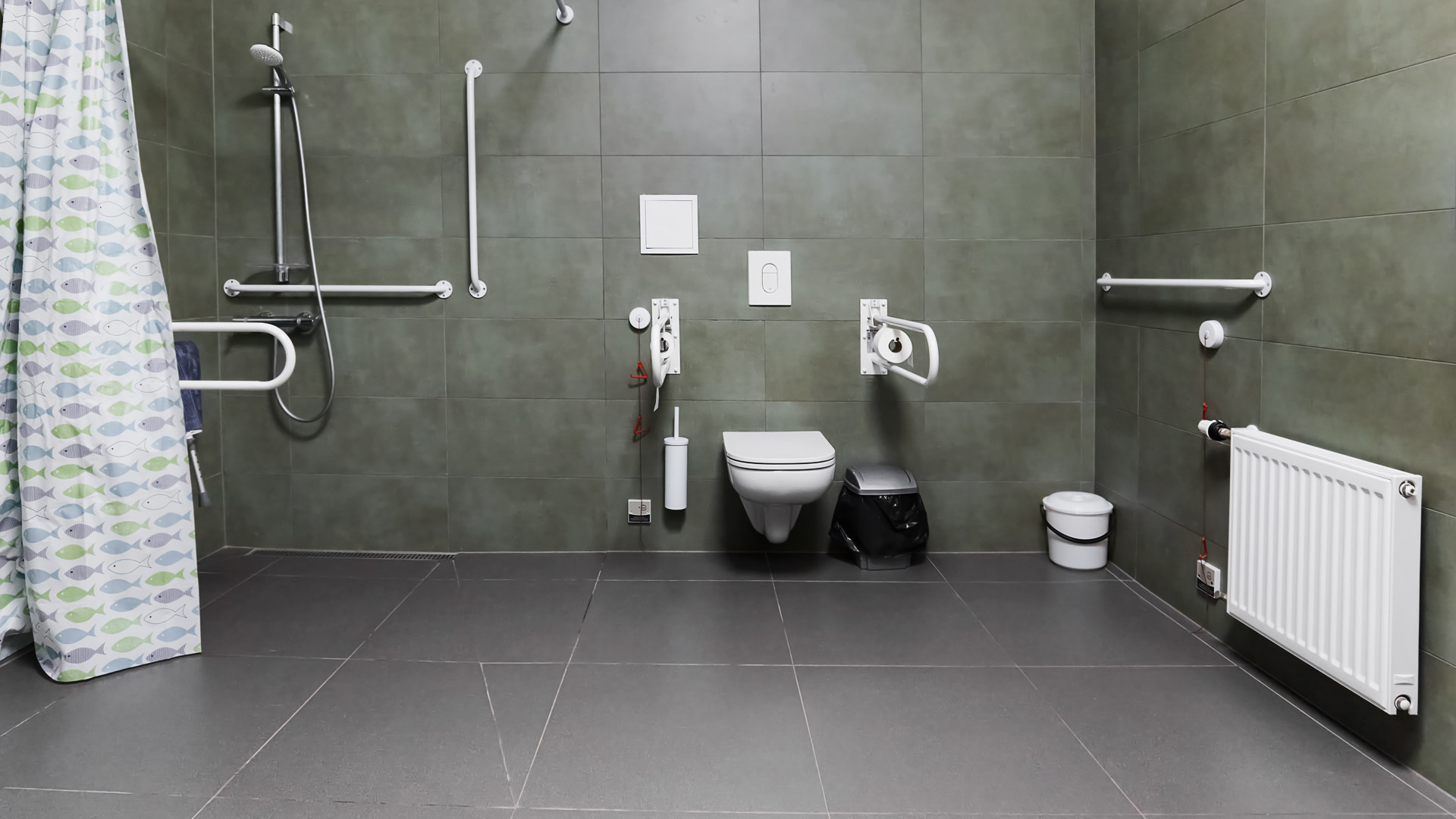
New contrasting markings and tactile signage have significantly improved navigation within the building. An accessible toilet and shower room have also been created.
Recognising the importance of these improvements, the Liepāja municipality has also upgraded the surrounding infrastructure using its own funds – paving the entire Teodora Breikša Street and improving the access road so that everyone can reach the building independently.
This is the essence of accessibility – less dependence on others, less uncertainty, more confidence, and more opportunities. Moreover, accessibility solutions benefit not only people with functional impairments; they make movement within and around the building easier for any resident of Liepāja, as well as for visitors to the centre and the city.
By placing humanity at the core, the Liepāja Social Service Day Care Centre on T. Breikša Street and its surroundings provide a wider group of residents with the opportunity to be more independent, more confident, and more fully included in society.
Uzzini vairāk par šo stāstu video
To improve access to public services and promote the full inclusion of people with functional impairments, environmental accessibility is being enhanced across Latvia under the European Union’s Recovery and Resilience Facility investment “Measures to improve access to public services and employment for persons with functional impairments”, implemented by the Ministry of Welfare. By the end of summer 2026, accessibility improvements will be completed in 63 state and municipal buildings and in 250 homes of persons with disabilities and mobility impairments across Latvia.
#human #NextGenerationEU #SocialSecurity