The National Library of Latvia (NLL) invites the public, cooperation partners and media representatives to a press conference on December 10, 2025 at 11:00–12:00 in the NLL choir on the 11th floor to inform about the progress of the implementation of the European Union (EU) Recovery and Resilience Facility projects “Solar Park for Self-Consumption Electricity Provision at NLL” and “Improvement of Energy Efficiency in the NLL Repository in Ropaži Municipality “Rakstos”.
The press conference will be attended by:
Minister for Culture Agnese Lāce;
Director of the Department of Energy Financial Instruments of the Ministry of Economics Selīna Ābelniece;
Director of the NLL Dagnija Baltiņa;
Juris Ģiedris, Director of the Economic Department of the National Library of Latvia, Head of the EU Recovery and Resilience Facility projects “Solar park for self-consumption electricity provision in the National Library of Latvia” and “Improvement of energy efficiency in the National Library of Latvia repository in Ropaži municipality "Rakstos"”.
As a result of the tender, the contractor for the implementation of the European Union (EU) Recovery and Resilience Facility project “Solar park for self-consumption electricity provision in the National Library of Latvia” has been selected – the supplier association “DEVRE AE”. Construction work has begun. The construction work must be put into operation by the end of May 2026. The aim of the project is to make investments in the building of the National Library of Latvia and its territory in Riga at Mūkusalas Street 5 in order to achieve at least a 30% reduction in primary energy consumption.
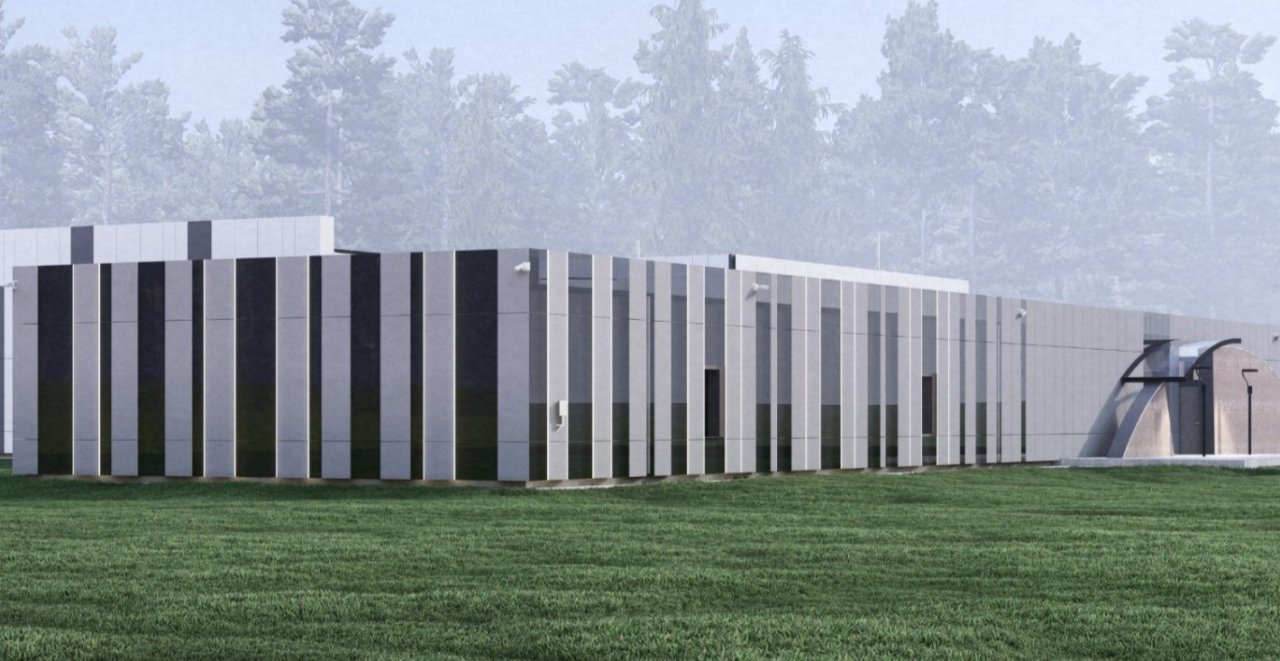
The NLL also continues to implement the project “Improving energy efficiency in the NLL repository in Ropaži municipality “Rakstos””. The contractor is SIA “Ekoteh būve”. The construction work must be put into operation by mid-March 2026. The aim of the investment project is to improve energy efficiency in the repository of the National Library of Latvia in Silakrogs “Rakstos” in Ropaži municipality, in order to achieve at least a 35% reduction in primary energy consumption.