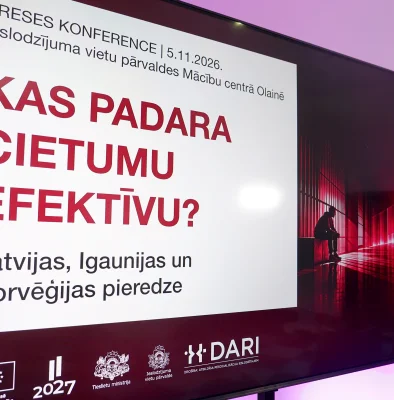
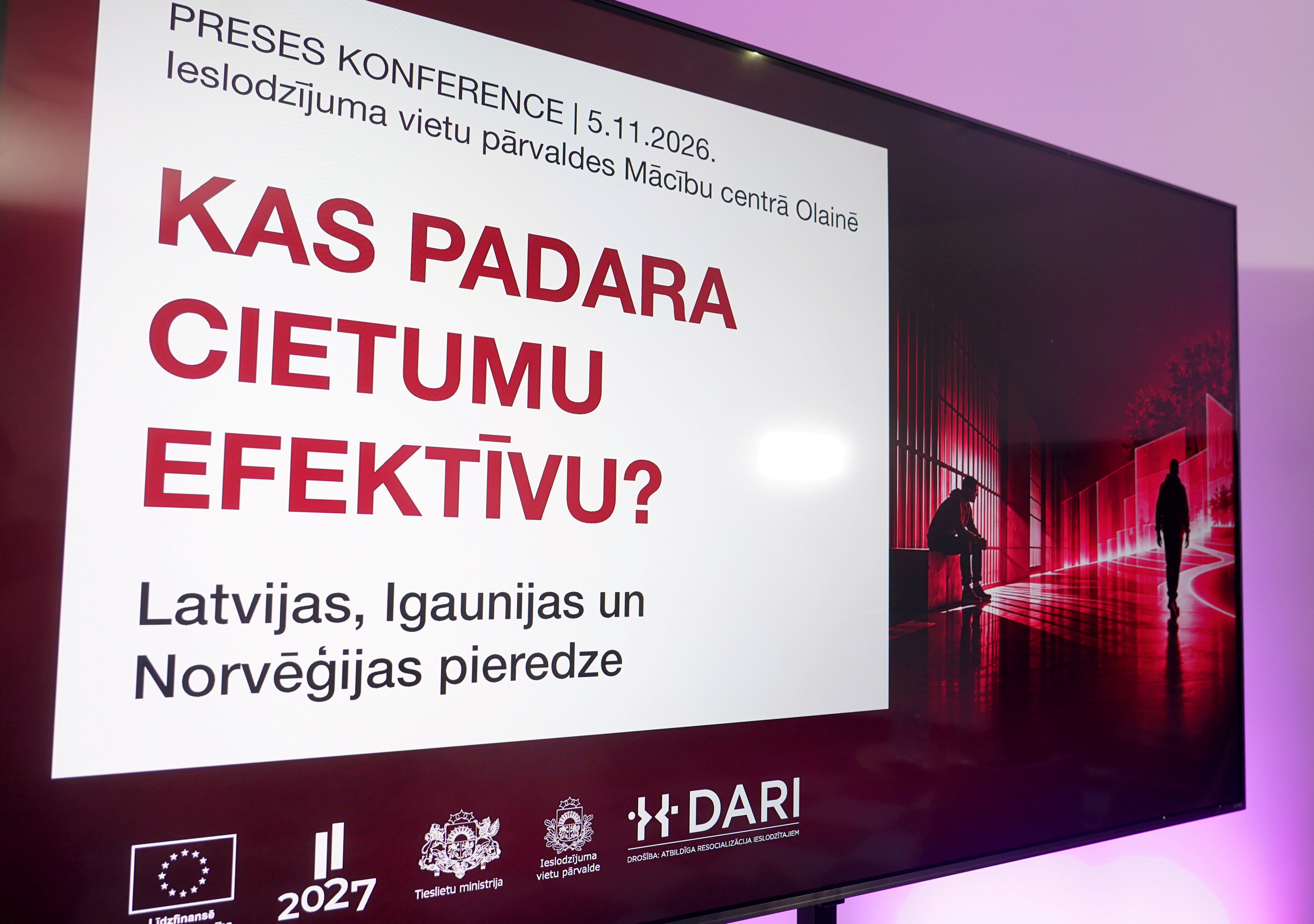
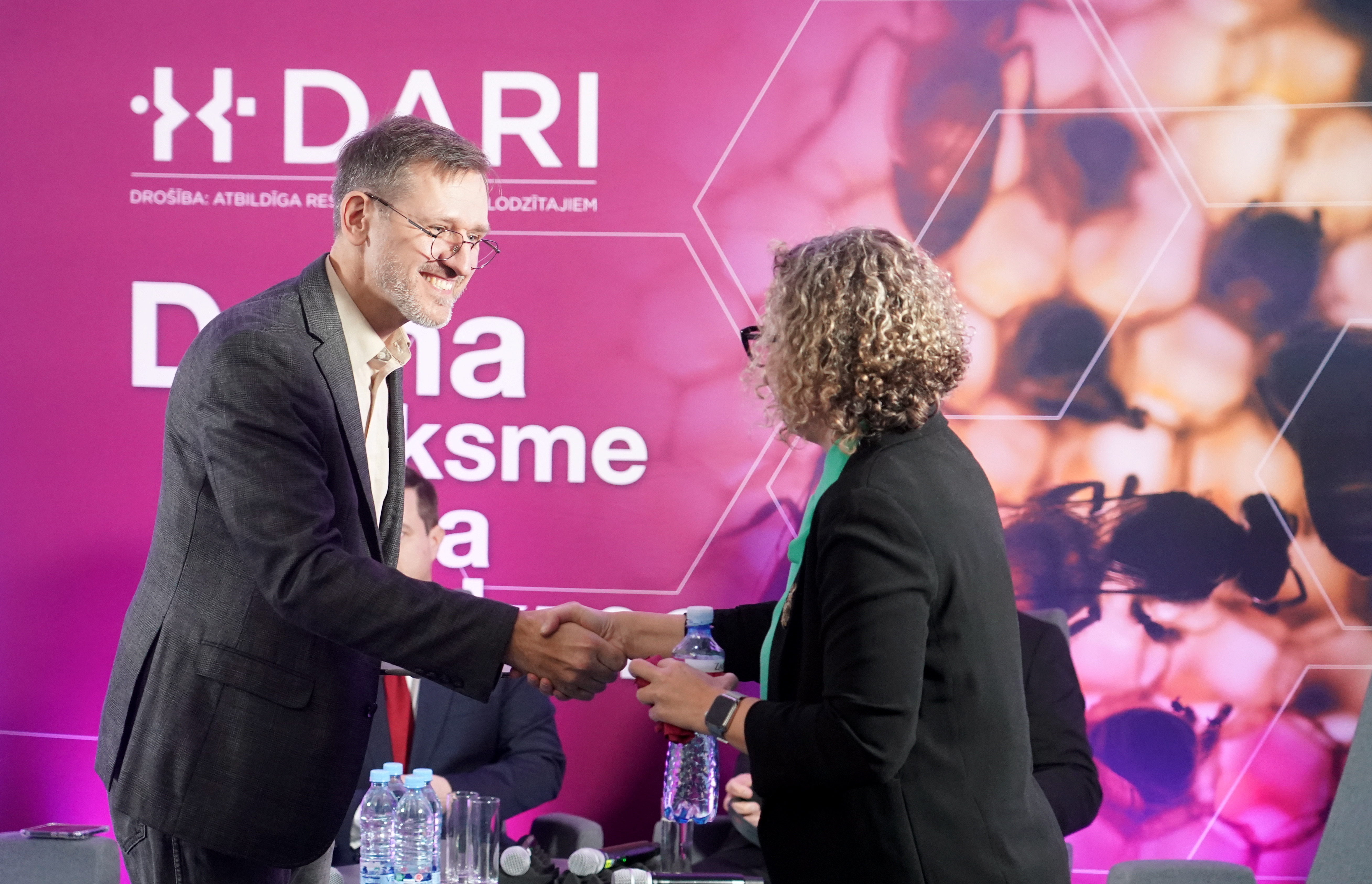
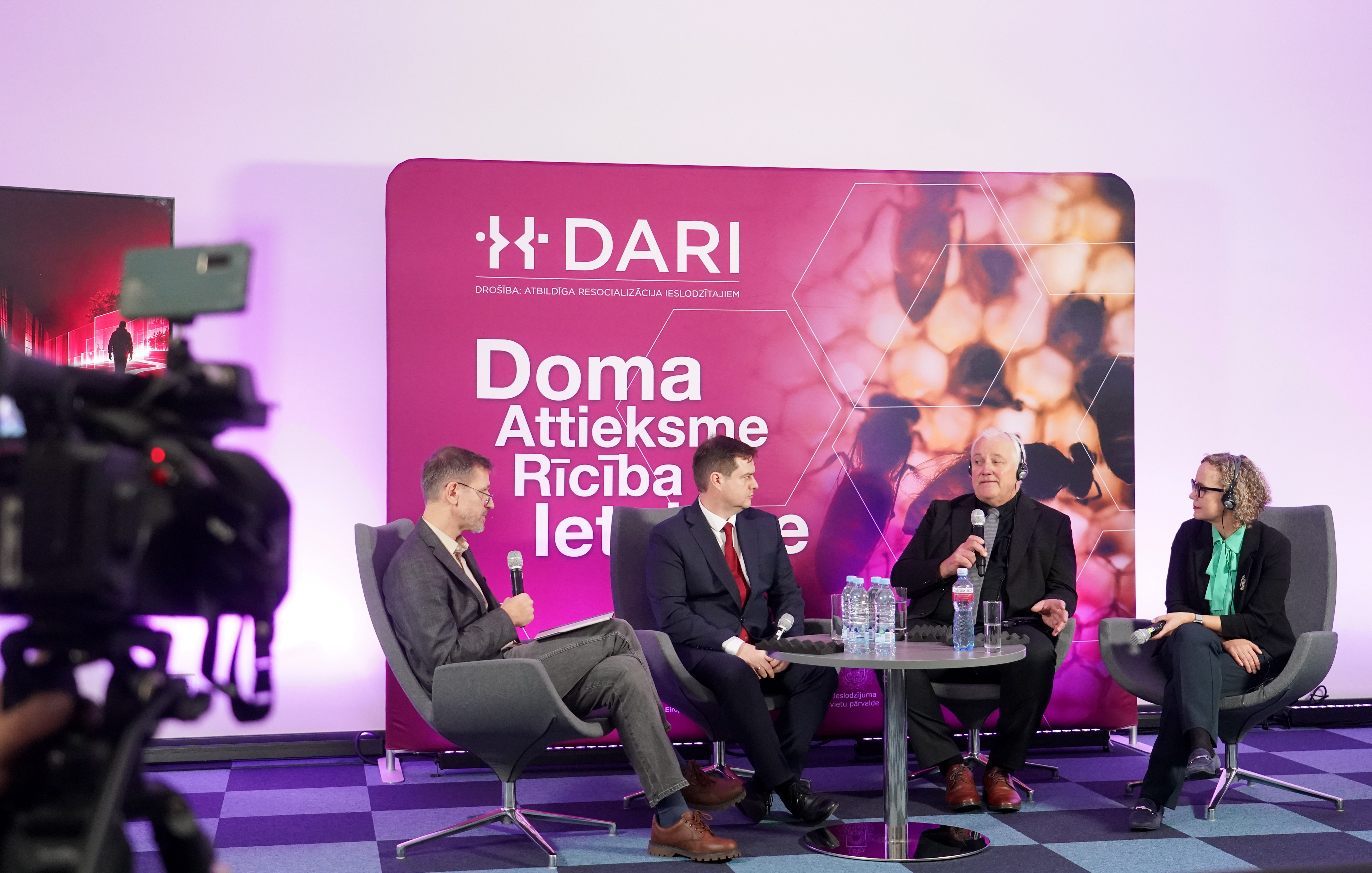
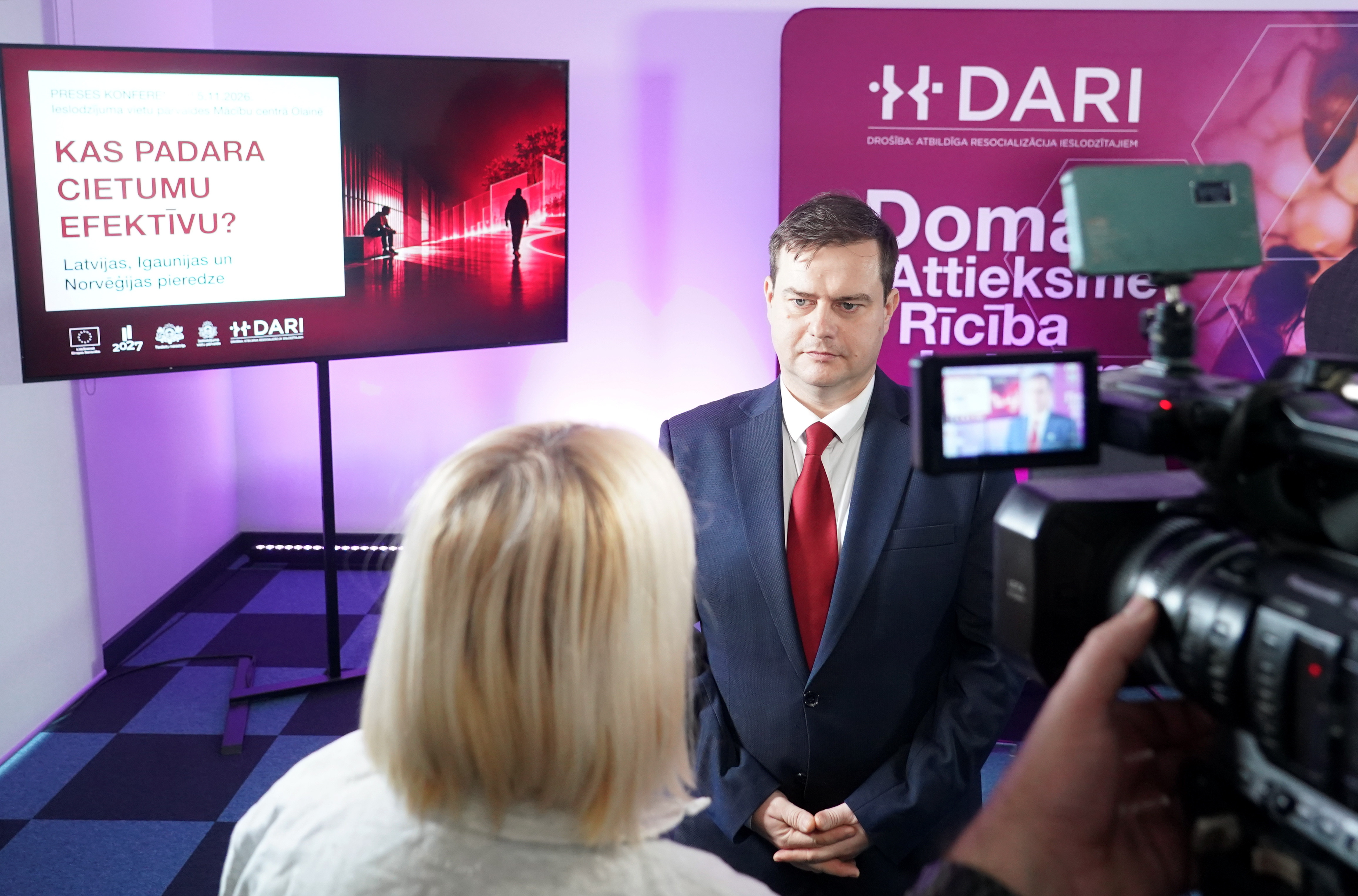
To reduce the risk of reoffending, prisons must provide more than the safe and secure enforcement of sentences. They must also create an environment that helps individuals develop independence, take responsibility and prepare for life after serving their sentence. These issues, including what makes a prison effective, how to implement changes in prison management and how to assess the outcomes of rehabilitation, were discussed on 5th of November at the Training Centre of the Prison Administration in Olaine by prison management experts from Latvia and Norway and the Director of the College of Prison Services at the Estonian Academy of Security Sciences.
The year 2026 marks significant changes in Latvia's prison system. Liepāja Prison, the first newly built prison in Latvia since the restoration of independence, has commenced operations in its new premises. Meanwhile, the Saeima has adopted the new Criminal Sentence Execution Law, which will replace Latvia's more than half-century-old law.
However, alongside new infrastructure and legislation, an important question arises: how can imprisonment ensure not only security and order but also help individuals prepare for life after release and reduce the risk of reoffending? Life in prison is largely governed by rules and externally imposed decisions, whereas life in freedom requires independence, responsibility and the ability to solve problems. If individuals are not given opportunities to develop these skills during imprisonment, there is a risk that they may become well adapted to prison life but insufficiently prepared for independent living after serving their sentence.
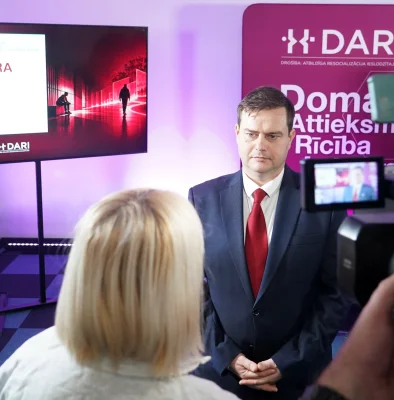
“Our responsibility is not just to ensure the safe and lawful execution of sentences. Equally important is what kind of person returns to society after serving their sentence. If we want to reduce reoffending in the long term, imprisonment must become an opportunity to develop responsibility, independence and the skills needed to lead a law-abiding life. This means that resocialisation must not be treated as a series of isolated activities, but as a targeted and coordinated approach throughout the entire period of sentence execution and beyond,” emphasised Dmitrijs Kaļins, Head of the Prison Administration.
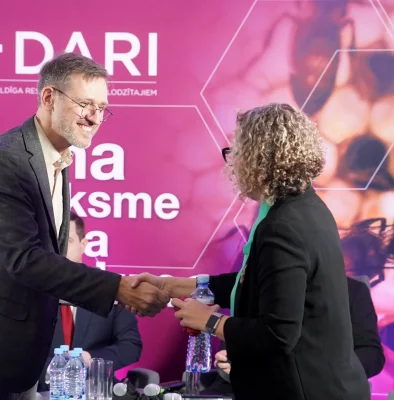
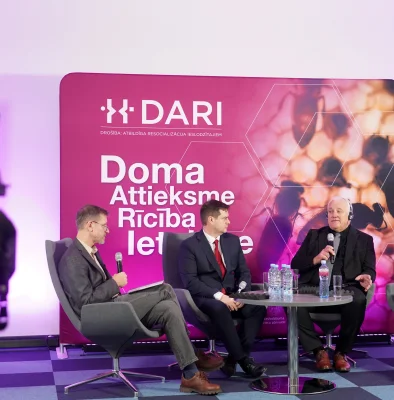
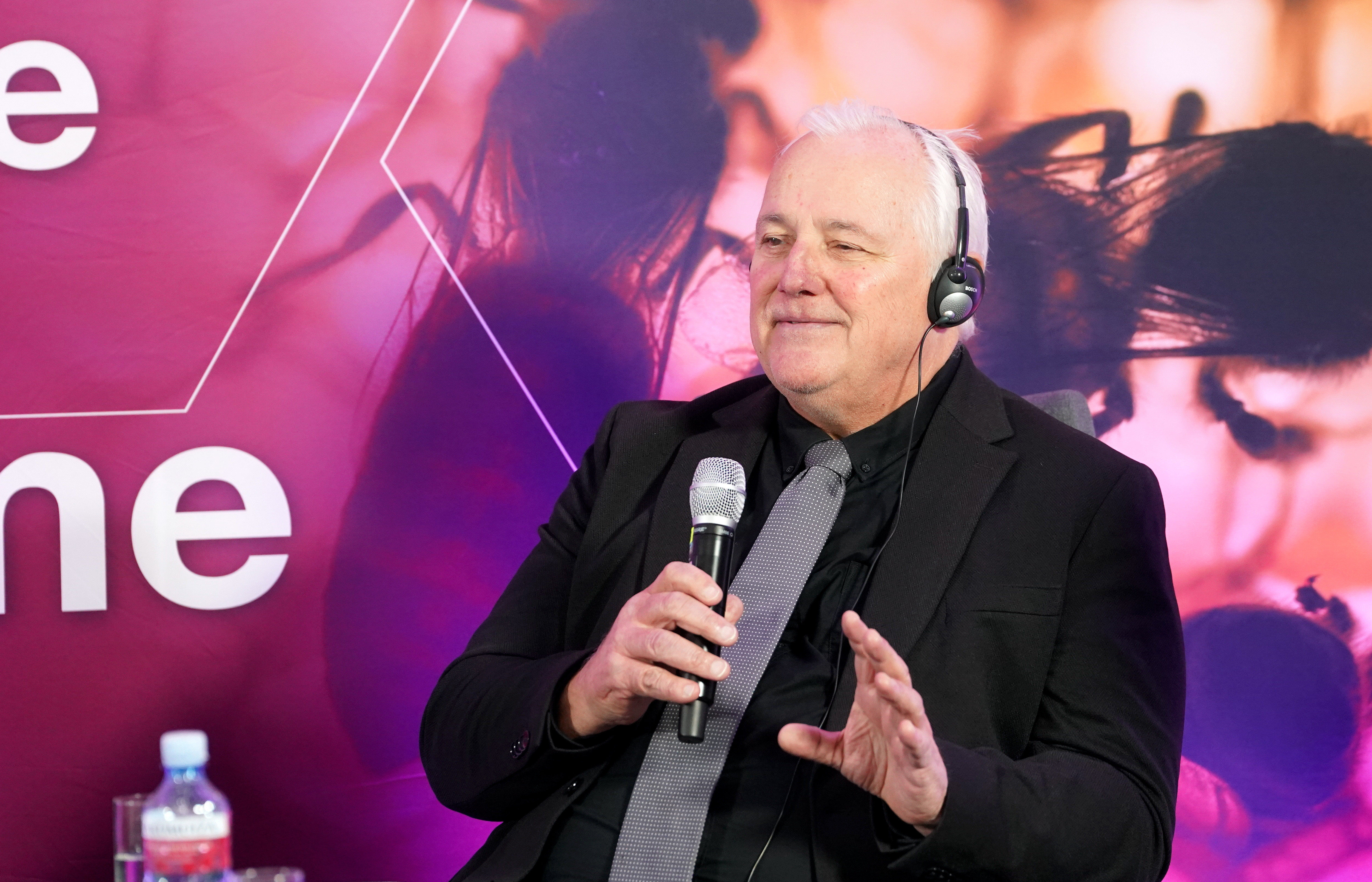
The press conference placed particular emphasis on balancing security, control and prisoners' personal responsibility. Are Høidal, Senior Adviser at the Norwegian Correctional Service and former Governor of Halden Prison, shared his experience of prison management and ways to promote prisoners' independence while maintaining the necessary level of security. The discussion also addressed the importance of prison staff attitude, interpersonal relationships and everyday workplace culture in helping prisoners develop a sense of responsibility for their actions.
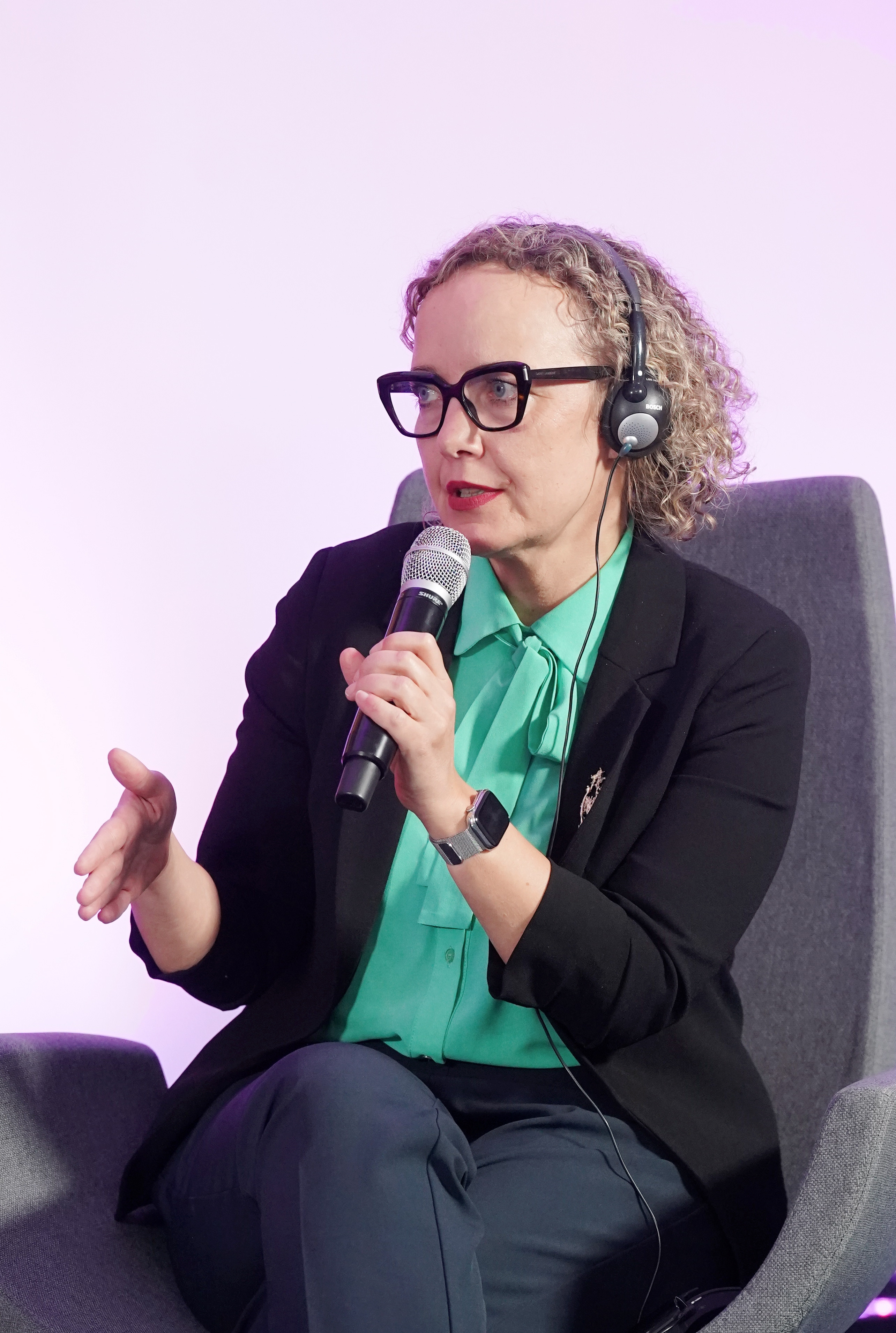
Meanwhile, Laura Kikas, Director of the College of Prison Services at the Estonian Academy of Security Sciences, highlighted the importance of continuity and coordination in rehabilitation measures. What matters is not only which programmes are offered to prisoners, but also how they are planned, the order in which they are implemented and how their continuity is ensured.
“The effectiveness of resocialisation cannot be assessed solely by the number of programmes implemented or the number of people participating in them. Changing a person's behaviour is a process that requires time, structure and continuity. If resocialisation measures are disconnected from one another or do not correspond to an individual's needs and readiness for change, their impact may be limited. It is therefore essential to develop a sentence execution system in which each subsequent step builds on the previous one and helps individuals move towards sustainable behavioural change,” explained Laura Kikas, Director of the College of Prison Services at the Estonian Academy of Security Sciences.
The press conference also addressed the challenges involved in implementing prison reforms. Introducing a modern approach to sentence execution requires more than new regulations and procedures. Staff competencies, organisational culture, available resources and the ability to translate planned changes into everyday practice are equally important. The experiences of Latvia, Estonia and Norway provided an opportunity to examine these challenges both at the level of individual prisons and in the management of entire prison systems.
The press conference took place as part of the international conference “Intervention Design in Sentence Execution: From Managing the Object to Developing the Individual”, which brought together researchers and criminal justice professionals from Latvia, the United Kingdom, Poland, Norway and Romania in Olaine on 5–6 November. The conference explored the impact of the prison environment on human behaviour, the risks of institutionalisation, prison subculture, the development of prisoners' independence and the planning of evidence-based resocialisation measures.
The press conference was also broadcast live and is available to watch as a recording.